
Breast Cancer

What Is Breast Cancer?
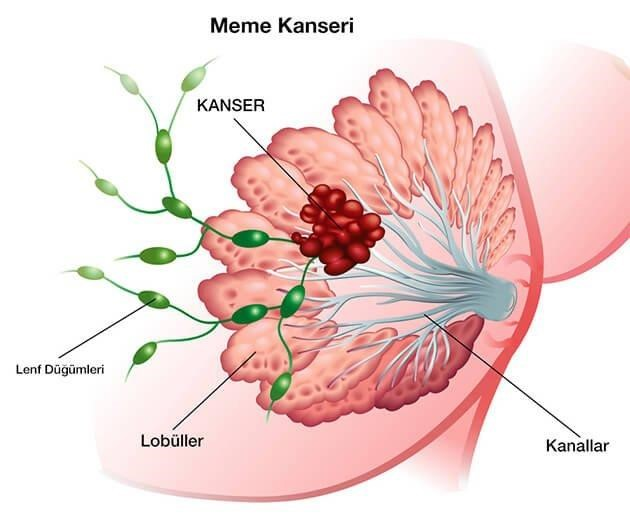
- Breast cancer is a type of cancer that develops from cells in the breast.
- It is the most common type of cancer in women. Rarely, breast cancer can also occur in men.
- Approximately 70-80% of all breast cancers originate from the milk ducts, and 10% originate from the milk-producing glands (lobules).
What Are The Risk Factors For Breast Cancer?
- Female gender
- Advanced age
- A family history of breast or ovarian cancer in first-degree relatives
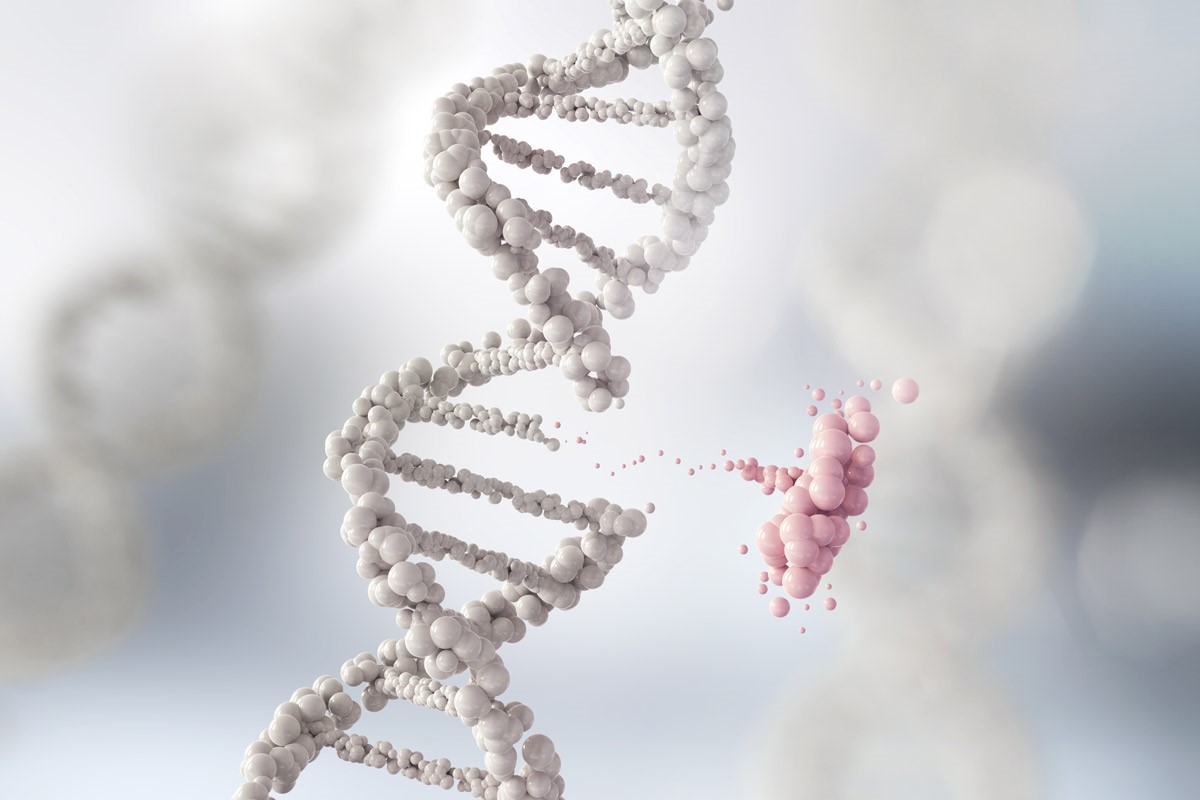
- Having high-risk genetic mutations such as BRCA 1 and 2
- Early menstruation, late menopause
- Never having birth or giving birth at an advanced age, never breastfeeding
- Obesity and sedentary lifestyle
- Long-term hormone therapy
- Smoking and alcohol
What Are The Symptoms Of Breast Cancer?
- A generally painless lump or hard mass felt in the breast or armpit region
- Changes in the appearance of the breast skin: Redness, skin dimpling (orange peel appearance)
- Nipple retraction
- Nipple discharge
How Is Breast Cancer Diagnosed?
- The diagnostic process begins with the detection of a lump in the breast or armpit during examination or in radiological imaging such as mammography or breast ultrasound.
- A biopsy of the lump is required for a definitive diagnosis. The diagnosis is confirmed by pathological examination of this biopsy.
- Tests such as CEA (carcinoembryonic antigen) and Ca15-3 can help in diagnosis, but elevated levels are not sufficient for diagnosis. Similarly, normal results in these tests do not mean that there is no breast cancer.
Is Early Diagnosis Possible In Breast Cancer?
- Breast cancer is unfortunately a common cancer and may show no symptoms in the early stages. Furthermore, when diagnosed in the early stages, the likelihood of completely curing the disease with treatment is high. Therefore, breast cancer screening is extremely important for all women.
- For breast cancer screening, it is recommended that all women over the age of 20 perform monthly self-breast exams and have a doctor's examination once a year.
- From the age of 40, a mammogram should be performed every two years.
How Is Breast Cancer Treated?
- For an accurate treatment plan, the stage of the cancer must be determined. For this purpose, radiological methods such as ultrasound, tomography, or PET-CT are used. In addition, the person's complete blood count, liver and kidney function tests, and cancer markers should be checked before treatment.
- In the early stages, surgery is usually the first choice of treatment. After surgery, depending on the pathology results, patients will be planned for hormone therapy, targeted therapies, chemotherapy, and radiotherapy.
- If the tumor in the breast is large but has not yet spread to other organs (metastasis), or if cancer is detected in the axillary lymph nodes, or if the patient is in a high-risk pathological group, treatment should begin with chemotherapy, targeted therapies, or hormone therapy. Depending on the response to these treatments, a surgical plan should be made afterwards.
- If cancer has spread to distant organs, chemotherapy, targeted therapies, or hormone therapy are used in treatment.
- Many patients are diagnosed by a general surgeon. However, for an ideal treatment plan, it is very important for patients to consult a medical oncologist before surgery.
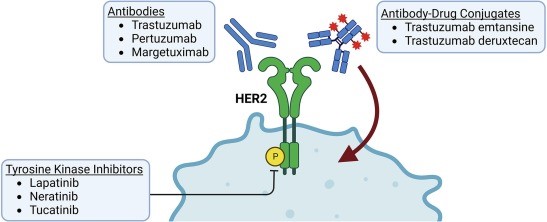
Are Targeted Therapies Used In Breast Cancer Treatment, And Are They Beneficial?
- With recent advancements, many targeted therapies, immunotherapy treatments, hormone therapies, and different medications have begun to be used in breast cancer treatment.
- Very successful results have been obtained with these drugs. In many patients, these medications completely eliminate cancer.
- With these new treatments, long-term survival rates have been achieved even in advanced stages.
Diğer Görseller





Tıbbi Görüş ve Online Muayene Formu
Tıbbi Görüş ve Online Muayene almak için lütfen formu eksiksiz doldurunuz. Mutlu, sağlıklı günler dileriz..